Prompt Guide
How to Describe Texture and Materials
Learn how to describe texture and material in AI prompts for clothing, objects, interiors, and product images.
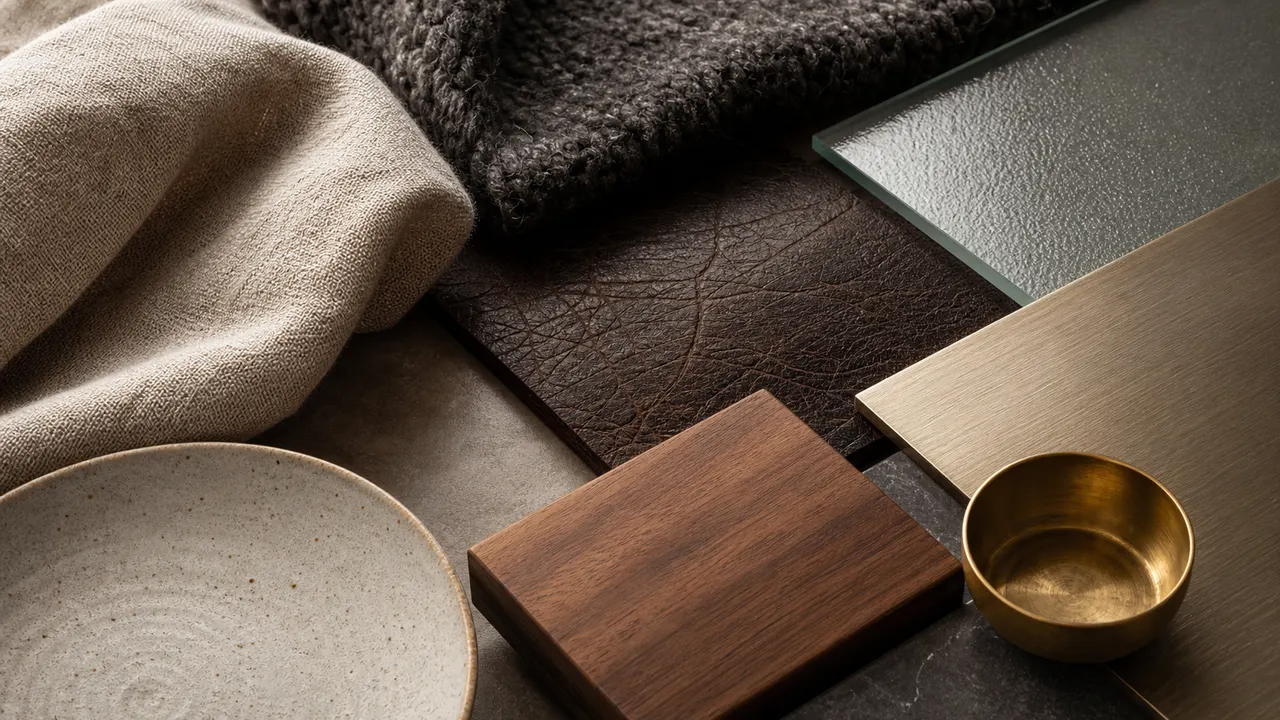
Material words help the model render surfaces. Use concrete terms like linen, brushed metal, cracked leather, polished wood, and frosted glass.
Texture makes an image feel physical. It tells the model how surfaces should look and how light should interact with them.
Start with material nouns. Useful examples include linen, wool, silk, denim, leather, ceramic, glass, iron, brass, stone, paper, wood, plastic, clay, and cotton.
Then add texture adjectives. Try rough, smooth, worn, polished, cracked, woven, matte, glossy, frosted, dusty, frayed, weathered, soft, or coarse.
A strong material phrase might be:
weathered brown leather, visible creases, matte surface
This is clearer than simply saying realistic texture.
Materials are especially useful for clothing prompts. Instead of saying nice dress, write:
loose cream linen dress with soft wrinkles and simple stitching
For objects, material description can change the whole image:
a polished brass compass on a dark wooden table
For interiors, texture can make the scene feel grounded:
old plaster walls, uneven stone floor, heavy wooden beams
Avoid listing too many materials in one object. A chair that is described as glass, wood, steel, marble, velvet, and plastic may become visually confused. Choose the most important surface.
Texture also works well with lighting. Matte surfaces reduce reflections. Glossy surfaces create highlights. Frosted glass softens light. Polished metal reflects nearby colors.
A useful structure is:
[material] + [texture] + [condition]
Example:
coarse gray wool, slightly worn edges, natural fabric texture
Material words are small, but they give the model strong visual instructions. Use them when the surface matters.