Prompt Guide
How to Describe Props and Small Objects
Learn how to describe props in AI image prompts so they support the subject and scene clearly.
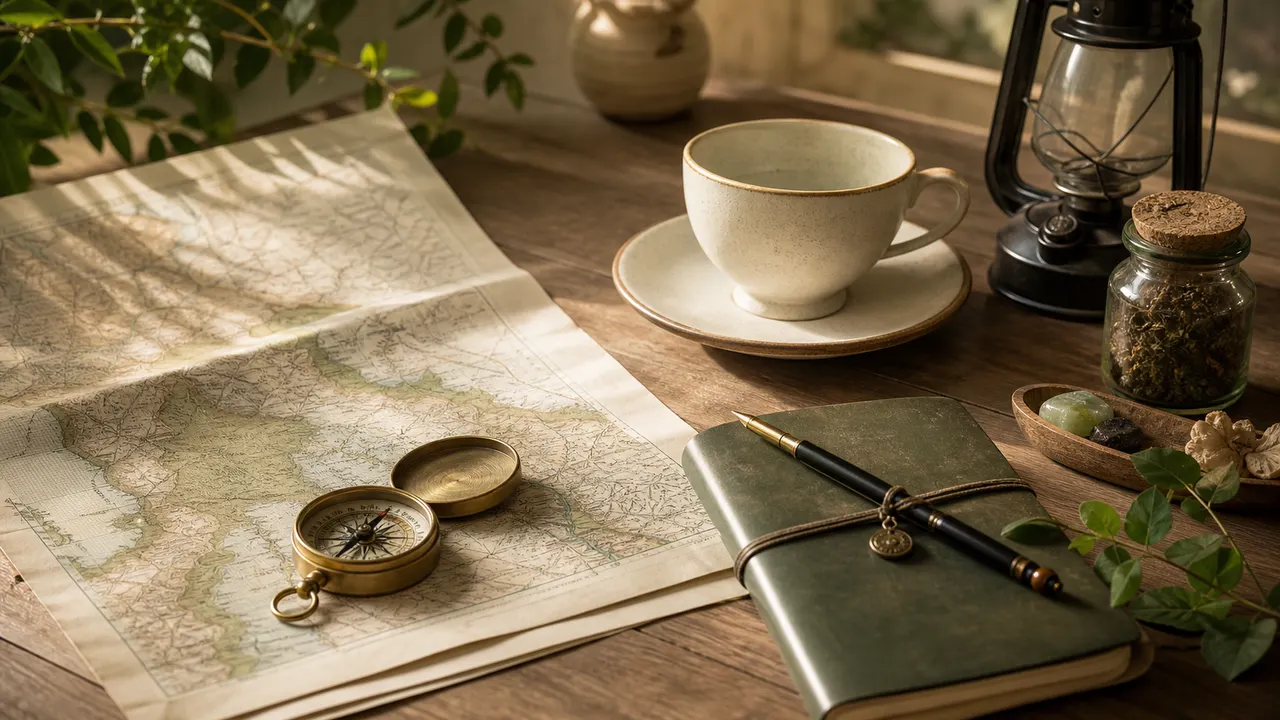
Props make a prompt more specific. Use them to show activity, profession, setting, or story, but keep the number of objects limited.
Props are small objects that help explain the image. A notebook, lantern, basket, sword, camera, teacup, satchel, map, or tool can make a subject feel more grounded.
The best props have a reason to be in the image. They show what the subject is doing, where they are, or what kind of person they might be. For example, a chef holding a copper pan tells a different story from a chef standing empty-handed.
Start with one main prop. Put it close to the subject or connect it to the action.
Example:
a traveler holding a folded paper map
Then add material or condition if needed:
a worn leather notebook, brass corner protectors, slightly frayed pages
Do not list too many props at once. If a prompt asks for a character holding a lantern, book, sword, umbrella, basket, camera, and cup, the model may merge objects or place them randomly.
A useful structure is:
[subject] + [action with prop] + [material/detail]
Example:
a young botanist kneeling beside wildflowers, holding a small glass sample jar
Props can also guide scale. A tiny teacup, oversized backpack, heavy iron key, or long wooden staff changes how the subject feels in the frame.
For product-style images, props should stay secondary. Use supporting items such as folded cloth, wooden table, small plant, notebook, or neutral packaging. They should not distract from the main object.
Good props add clarity. Bad props add noise. Choose objects that support the subject, action, or scene.